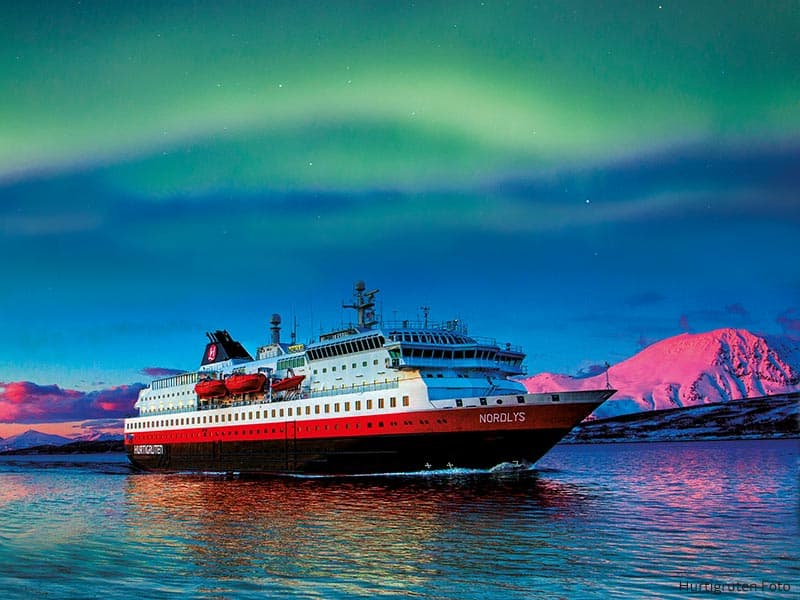
Norway's fjords aren't just scenery you drive past, they're built to be sailed through, and the ferry routes in Norway that cross them are some of the most scenic boat rides anywhere in the world. Whether you're planning a short fjord cruise or a full coastal voyage, knowing which ferry routes in Norway to prioritize makes or breaks a fjord-country itinerary.
This guide breaks down the best ferry routes in Norway route by route, what each one is known for, and how to time your booking.
1. Flåm to Gudvangen: The Nærøyfjord Route
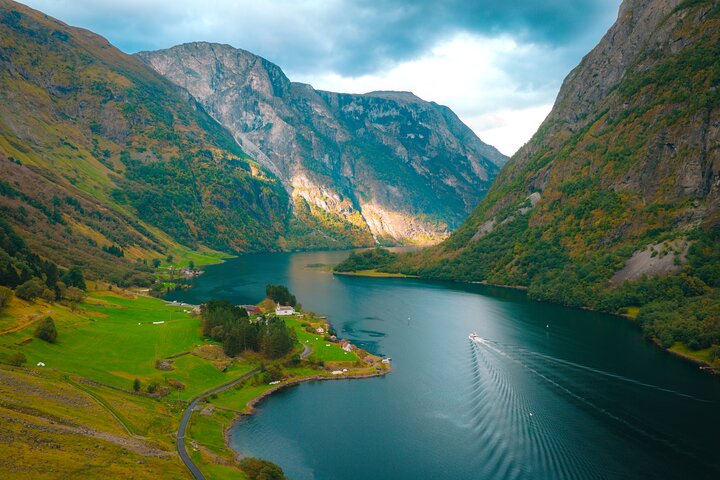
This is the most photographed of all the ferry routes in Norway, and for good reason. The Nærøyfjord is a UNESCO World Heritage arm of the Sognefjord, narrow enough in places that the cliffs feel close enough to touch. Waterfalls drop straight into the water, and small farms cling to impossibly steep slopes.
- Duration: ~2 hours
- Best for: First-time visitors, photographers, anyone combining with the Flåm Railway
- Season: Runs year-round; summer sailings are more frequent
- Tip: Book the Flåm Railway plus fjord cruise combo, it's the classic "Norway in a Nutshell" segment and sells out in July and August.
2. Hellesylt to Geiranger: The Geirangerfjord Route
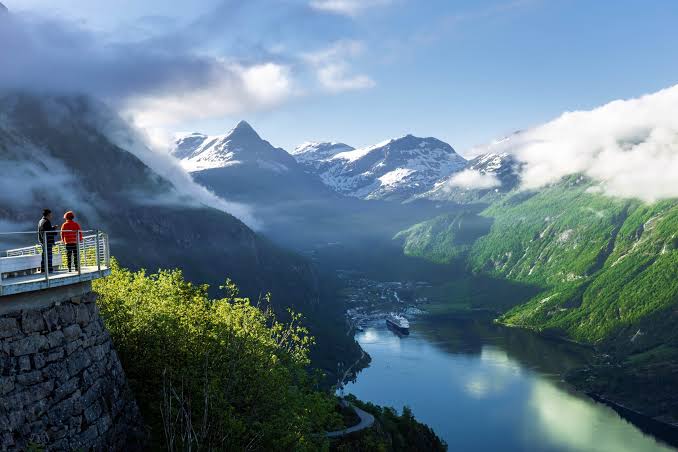
Among all the ferry routes in Norway, this one wins on drama. The short Geirangerfjord crossing passes the Seven Sisters and Bridal Veil waterfalls, with abandoned farmsteads perched on ledges hundreds of meters up.
- Duration: ~1 hour
- Best for: Waterfall views, short scenic detours, road-trip itineraries
- Season: Seasonal, typically May through September
- Tip: This route pairs well with the Trollstigen mountain road if you're self-driving through the Norwegian fjords.
3. Bergen to Kirkenes: The Hurtigruten Coastal Route
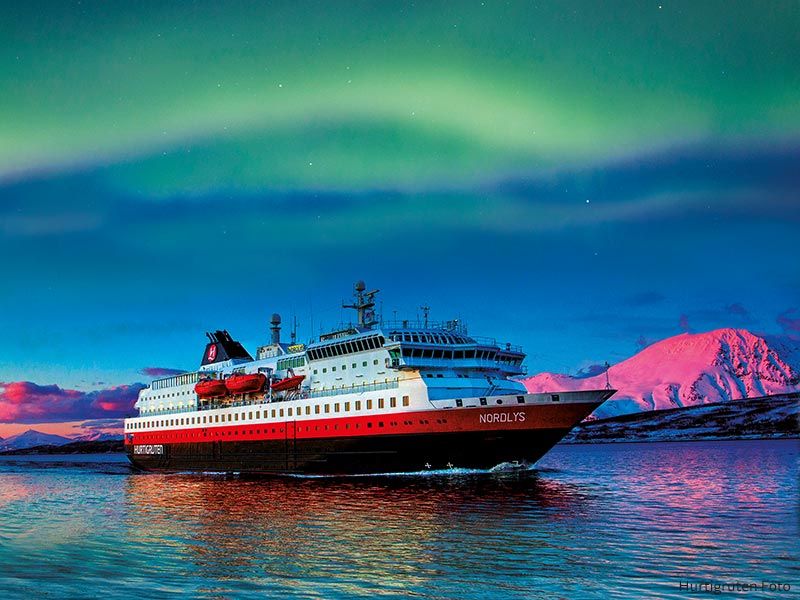
Not a single fjord crossing but the full coastal voyage, 11 days, 34 ports, and a stretch of coastline that runs from fjord country in the south to the Arctic in the far north. Of all the ferry routes in Norway, this is the one for travelers who want depth over a quick highlight.
- Duration: 11 days one-way (round trip or one-way options available)
- Best for: Northern Lights season, midnight sun season, slow travel
- Season: Year-round, with very different experiences by month
- Tip: Cabin availability drops fast for winter Northern Lights sailings, book 6+ months out.
4. Lysebotn to Forsand/Stavanger: The Lysefjord Route
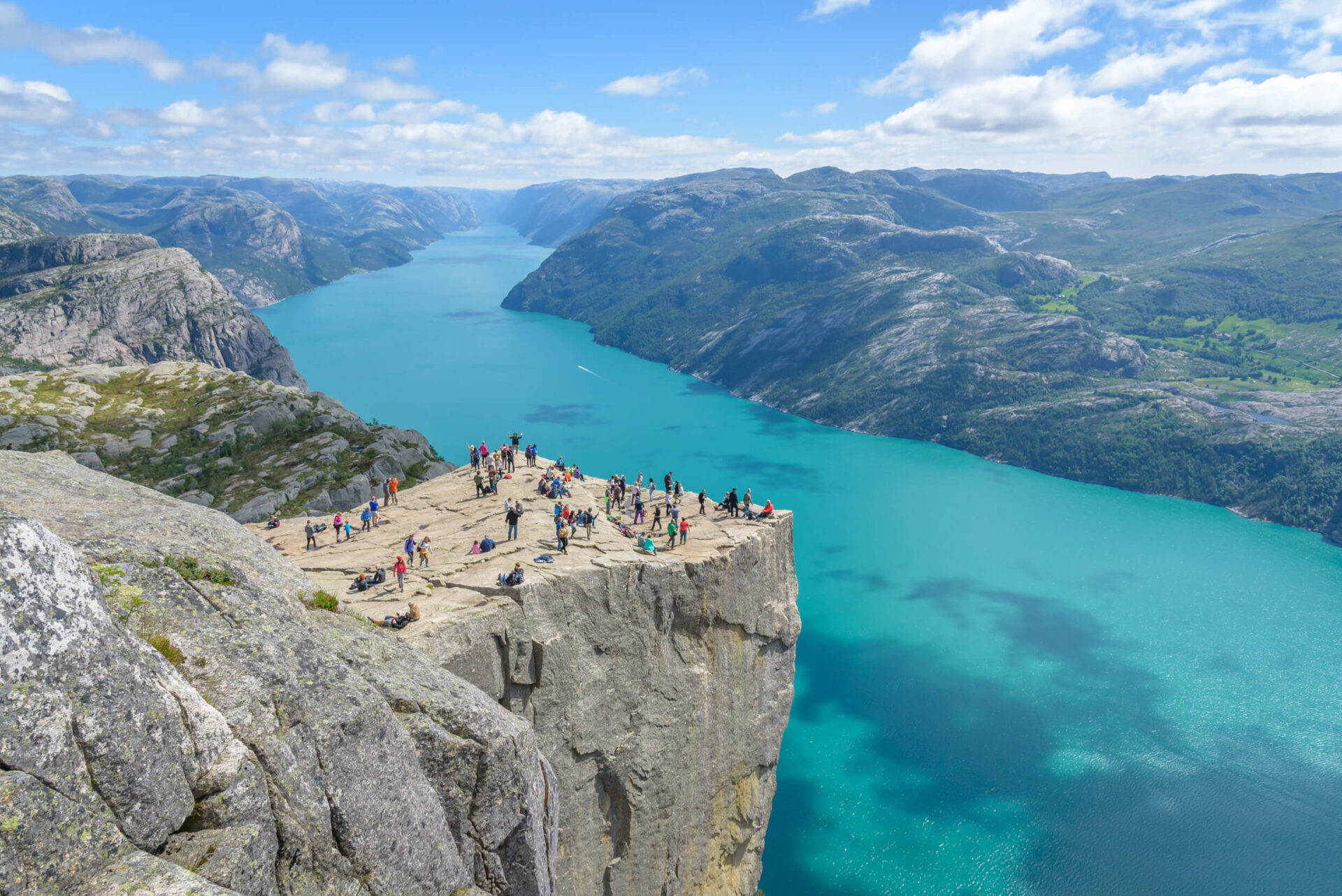
Home to Preikestolen (Pulpit Rock) and Kjeragbolten, this is one of the ferry routes in Norway that's as much about geology as water. Sheer granite walls rise over 1,000 meters straight from the fjord, and the ferry gives you the only vantage point that doesn't require a full-day hike.
- Duration: ~2.5–4 hours depending on route
- Best for: Hikers basing themselves in Stavanger, combining with Pulpit Rock
- Season: Summer season only for most passenger routes
- Tip: Sit on the right side heading out from Lysebotn for the best cliff views.
5. Hardangerfjord Routes (Kinsarvik, Utne, Kvanndal)
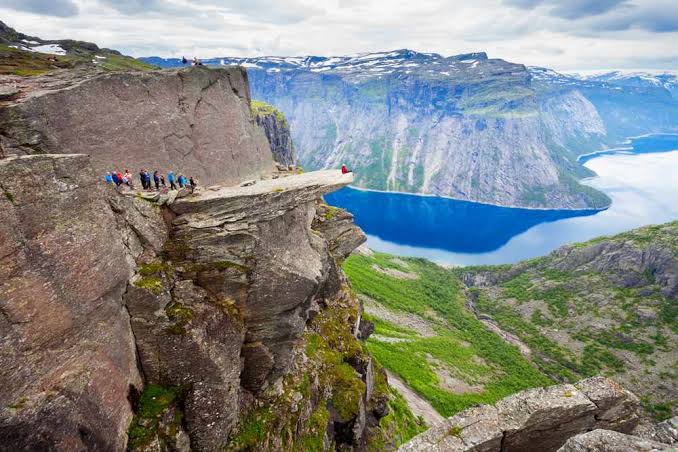
Hardangerfjord doesn't get the same tourist volume as Geiranger or Nærøyfjord, and that's exactly its appeal. This is fruit-orchard country, the fjord is lined with cherry, apple, and pear trees, especially stunning during spring blossom season. It's a quieter entry on this list of ferry routes in Norway, but a rewarding one.
- Duration: Varies by leg; most crossings run 20–45 minutes
- Best for: Spring travel, cycling routes, a quieter alternative to the bigger-name fjords
- Season: Year-round
- Tip: Time a visit for early May if blossom season is the goal, it's a narrow window.
6. Bergen to Nordfjordeid: The Sognefjord Express
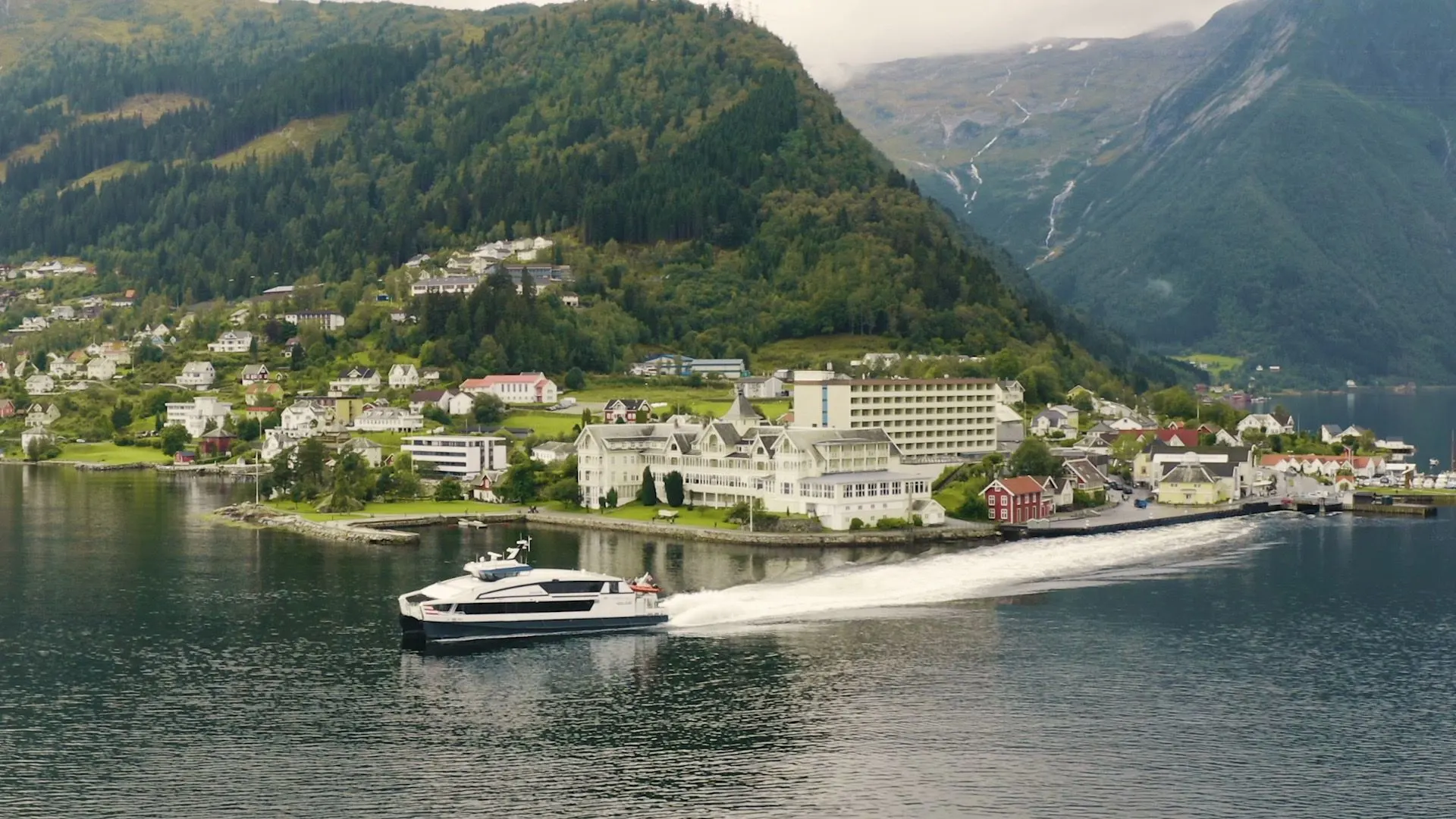
For travelers who want to cover ground fast, the express boats along the Sognefjord, Norway's longest and deepest fjord, connect Bergen to smaller towns without a car. Less scenic drama per minute than Nærøyfjord, but efficient, and one of the more practical ferry routes in Norway for point-to-point travel.
- Duration: ~3–4 hours
- Best for: Point-to-point travel without renting a car
- Season: Year-round
- Tip: Express boats sell out on weekends in summer, book ahead rather than walking up.
How to Choose the Right Ferry Route in Norway
With so many ferry routes in Norway to pick from, the right one depends on what you're optimizing for:
- Short on time? Hellesylt–Geiranger or a Nærøyfjord day trip from Bergen.
- Want the full picture? The Hurtigruten coastal route.
- Chasing waterfalls and cliffs? Geirangerfjord and Lysefjord.
- Traveling in shoulder season? Hardangerfjord for blossoms, Sognefjord for flexibility.
- No car? Express boats along the Sognefjord or the Hurtigruten route both work car-free.
- Best time to visit Norway fjords? Late May to early September covers nearly every seasonal route on this list; winter narrows your options to Hurtigruten and the Sognefjord express.
For agents putting together Norway itineraries, most of these crossings can be booked directly through Leamigo's ferry network.
FAQ
What are the best ferry routes in Norway? The Nærøyfjord crossing (Flåm–Gudvangen) and the Geirangerfjord crossing (Hellesylt–Geiranger) are consistently ranked as the best ferry routes in Norway, both are UNESCO-listed and deliver the classic steep-cliff, waterfall view in under two hours.
Do I need to book Norway fjord ferries in advance? For July and August, yes for the popular crossings, Geiranger–Hellesylt, Lysebotn, and Hurtigruten cabins fill up and can mean long queues if you show up unbooked. Off-season and smaller local ferries are usually fine to book a few days out or just turn up for.
Do you need a car to see the fjords in Norway? No. Express passenger boats and the main tourist ferries connect Bergen, Flåm, Geiranger, and other fjord towns without a car, useful for anyone doing Norway by train and boat rather than self-driving. A car does open up smaller crossings and rural routes, though.
Is Hurtigruten worth it? For travelers who want the coastline in full rather than a single fjord, yes, it's Norway's longest-running coastal voyage, covering fjords, the Arctic, and dozens of ports over about 11 days. It's a bigger time and budget commitment than a single fjord cruise, so it suits slower, deeper trips rather than a quick highlight.
How much does a Norway fjord ferry cost? Short scenic crossings can run from as little as $10–15 per person, while longer scenic cruises (Nærøyfjord, Geirangerfjord) typically cost more depending on operator and season. Multi-day options like Hurtigruten scale up significantly based on cabin type and route length.
Do Norway's fjord ferries run in winter? Some do, some don't. Hurtigruten and Sognefjord express boats run year-round, but several tourist-season routes, including parts of the Lysefjord and Geirangerfjord network, run summer-only or with reduced winter schedules.
Can you see the fjords without a ferry? Roads and viewpoints get you partial views, but the ferry is the only way to see fjord walls from water level, which is where the scale actually registers.
Whichever you pick, booking early for peak summer months is the one rule that applies across every one of these ferry routes in Norway.